



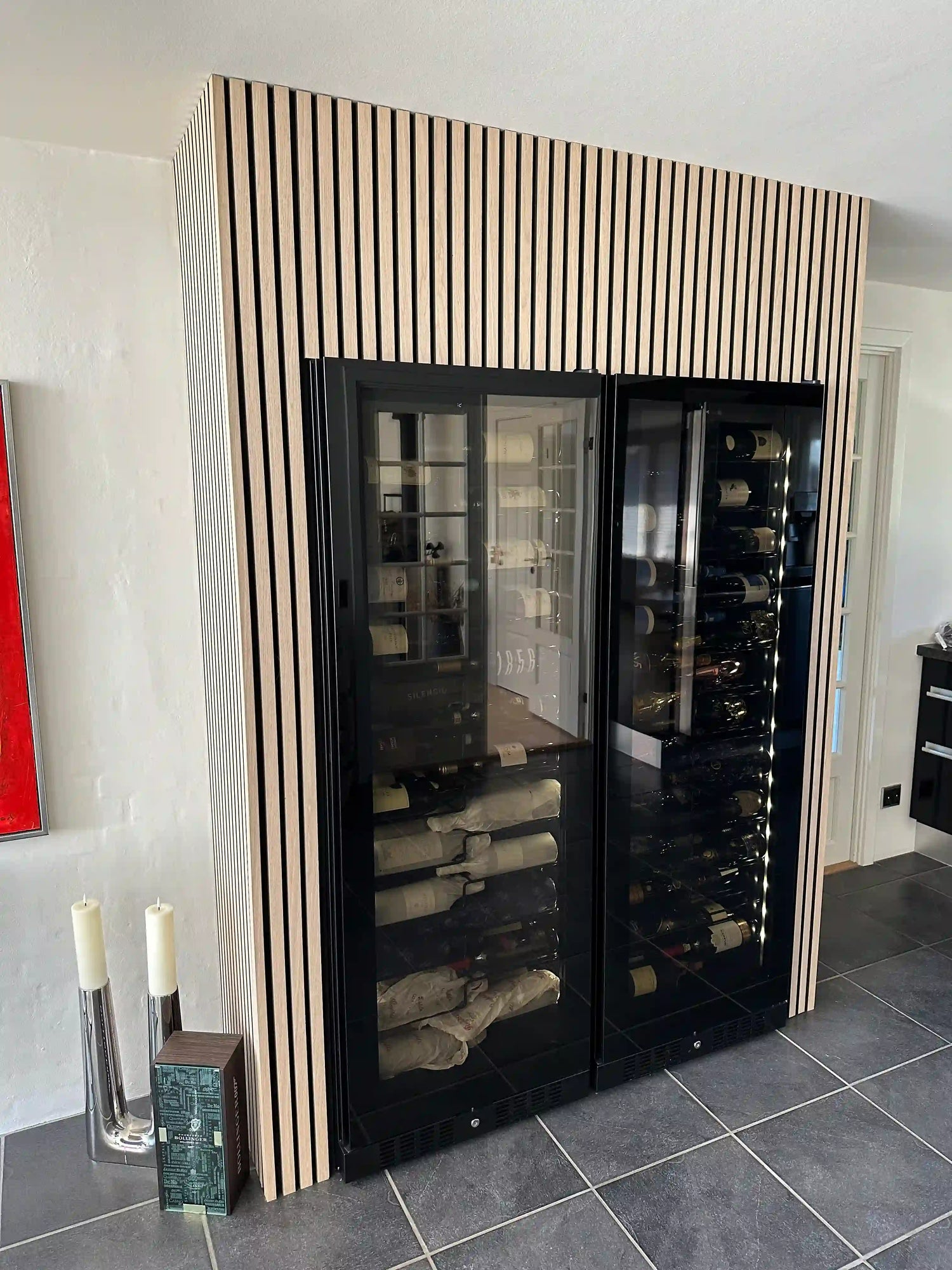
A trend that became permanent - and why modern interiors created the problem acoustic panels solve.
Why acoustic panels stopped being a trend and became permanent
What started as a technical solution - used in recording studios and conference rooms to dampen sound - has quietly become a permanent fixture of contemporary interior design. The reason isn't fashion. It's that modern homes started looking and sounding like studios. Open-plan kitchens, large unbroken walls, hardwood floors, glass partitions - all great aesthetically, all terrible for acoustics.
Acoustic panels didn't replace something that was working. They filled a gap that modern design accidentally created. That's why they've stayed: not because they're stylish, but because the problem they solve hasn't gone away. The trend cycle in interior design tends to discard purely decorative choices after 5-10 years. Panels stay because they're doing real work behind the design layer.
5 reasons acoustic panels fit modern interiors
1. Growing popularity well beyond studios
Acoustic panels are now common in homes, offices, restaurants, hotels, and showrooms - not just recording studios and concert halls. The transition from technical product to mainstream design element happened because people started recognising the visual quality of vertical wood slats independent of the acoustic function.
2. The acoustic need is real, not invented
Open-plan layouts and minimalist interiors with large hard surfaces have increased the demand for acoustic absorption. Conversations, TV, kitchen noise, and footsteps travel further in modern homes than they did in older homes with carpets, heavy curtains, and separated rooms. The need came first; the solution followed.
3. Reverberation in large rooms is a measurable problem
Spacious rooms with smooth surfaces reflect sound waves, causing reverberation and ambient noise that makes conversation tiring and concentration harder. The effect is subtle but cumulative - most people don't realise how much echo their living room has until they add panels and notice the difference.
4. Panels are an effective and proportionate solution
Acoustic panels break up hard surfaces, absorb sound waves, and reduce reverberation in the room. The result is a calmer sound environment - not soundproof, but noticeably softer. A single feature wall is usually enough to change how a room sounds. Adding more panels only deepens the effect.
5. Easy to integrate into existing interiors
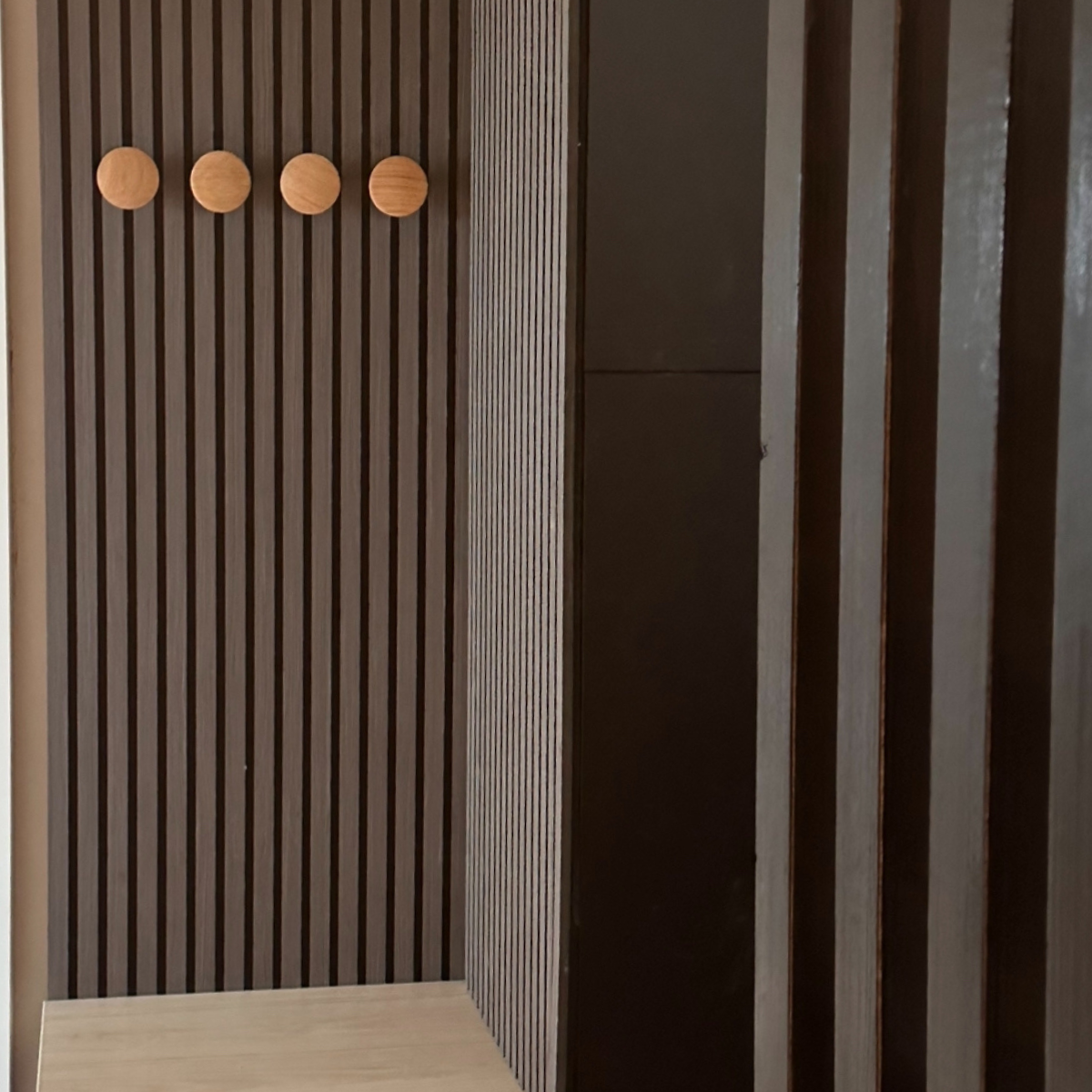
Unlike most interior upgrades, acoustic panels don't require renovation or coordination with existing furniture. They mount onto any standard wall in about 30 minutes, and the four tones - Light, Light Brown, Smoked, Black - adapt to almost any interior style. You don't redesign the room around the panels; the panels slot into the room you have.
What changed in modern interiors that made panels essential
Open-plan layouts replaced separated rooms
Kitchen, dining, and living spaces increasingly share one large space. Sound that used to be contained by walls now travels across the whole floor. Panels reintroduce acoustic separation without rebuilding walls - visually and tonally defining zones in an otherwise continuous space.
Hardwood and tile replaced carpets
Hard flooring became the default in modern homes for cleanliness, durability, and aesthetics. Carpets used to absorb roughly half the room's sound; their disappearance shifted that load onto the walls. Panels handle what carpets used to handle, without the dust and stains.
Minimalism reduced soft furnishings
Heavy curtains, padded furniture, decorative textiles, and full bookshelves used to absorb sound passively. Minimalist interiors strip most of that away in favour of clean lines and visible surfaces. Panels reintroduce acoustic absorption in a way that fits a minimalist aesthetic - through architecture rather than added objects.
Large windows replaced solid walls
Floor-to-ceiling windows, glass doors, and skylights bring daylight in but reflect sound back. Panels on the opposite wall counterbalance that reflection. The combination of large glass and a panel wall is now a standard pairing in contemporary architecture.
Work-from-home raised the acoustic standard
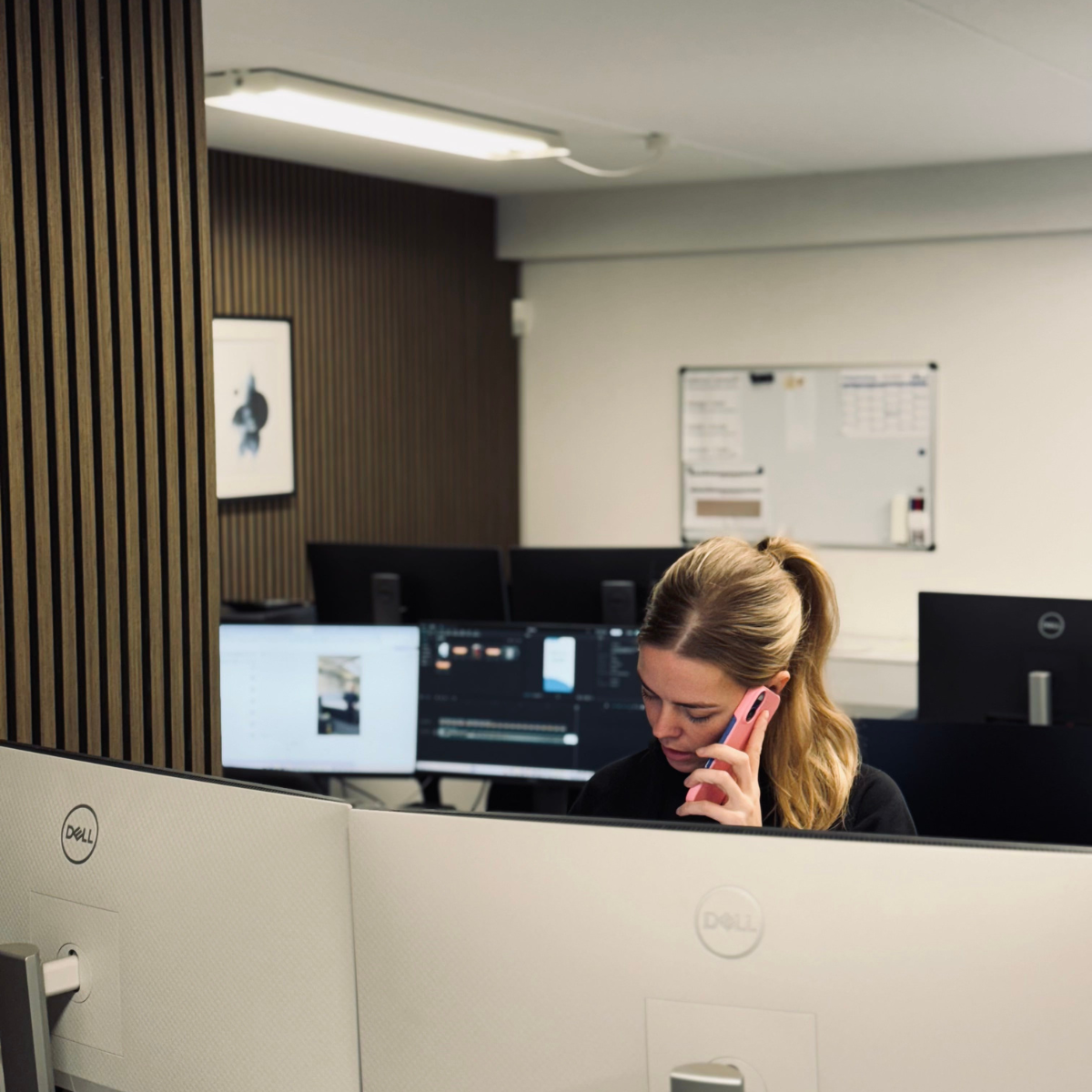
The shift to home offices and video calls made room acoustics matter in a new way. A home office with hard floors and bare walls sounds harsh on a microphone. Panels behind the desk or on a side wall noticeably improve voice clarity on calls - adding professional-grade audio without dedicated equipment.
Acoustic panels vs other sound solutions
Acoustic panels aren't the only way to reduce reverberation. Heavy curtains, rugs, foam tiles, and full bookshelves all absorb sound. The difference is what else they do - and what they look like doing it.
| Solution | Acoustic effect | Visual impact | Coverage |
|---|---|---|---|
| Acoustic panels | High - large surface, designed for absorption | Designed as a feature | One feature wall typically enough |
| Heavy curtains | Moderate - only on covered area | Traditional, can read as dated | Limited to windows |
| Area rugs | Moderate - only covers floor reflection | Decorative, flexible | Floor only, partial |
| Foam acoustic tiles | High - purpose-built | Studio-look, often disliked | Full walls if used |
| Full bookshelves | Surprisingly effective - books are great absorbers | Personal, cluttered if not curated | One wall at most |
Panels win on the combination of absorption, deliberate design language, and the fact that they don't require giving up wall space to a different function (curtains to windows, rugs to floors, shelves to books).
Frequently asked questions
Yes - and the trend has shifted from purely technical/studio looks toward refined design pieces using real wood veneer. The slat aesthetic is now standard in modern Scandinavian, hotel-inspired, and contemporary interiors. The look has matured rather than peaked, suggesting longevity rather than a trend cycle.
Wood-veneer slat panels are based on classic interior design principles - vertical line, natural material, neutral tone. These don't date in the same way bold colours or specific furniture shapes do. The most timeless choices are Light Brown and Smoked, both of which sit outside any specific era's palette.
Trends are decorative choices that solve no real problem. Acoustic panels solve a measurable problem caused by changes in how homes are built and furnished. As long as open plans, hard floors, and minimalism remain mainstream, the underlying need for panels will too. That's the definition of "not a trend".
For home use, yes - reducing reverberation in a living room or bedroom is a different problem from achieving studio-grade flat frequency response. Professional studios use specialised bass traps and diffusers in addition to absorbers. For everyday rooms, wood-veneer panels deliver more than enough absorption to make a clear difference, with the design quality studio foam can't match.
No - these are different problems. Soundproofing blocks sound transmission between rooms or from outside (traffic, neighbours, footsteps from above). It requires dense, sealed wall construction. Acoustic panels reduce sound bouncing around inside a room. Both can be done together, but installing panels is not a substitute for soundproofing a wall.
They work in any room where you spend time - living rooms, bedrooms, home offices, hallways. The bigger the room and the harder the surfaces, the more obvious the effect. Small carpeted rooms benefit less because they already have natural absorption. See room-by-room examples.
A permanent fixture, not a fashion statement
The honest answer to "are acoustic panels still modern?" is that the question is slightly off. Modern design isn't really what determines whether panels stay or go - the underlying acoustic problem in contemporary homes does. As long as people prefer open layouts, hard floors, and large windows, the problem persists and so does the solution.
That makes acoustic panels closer to interior architecture than to interior trends. They sit alongside choices like underfloor heating, integrated lighting, and built-in storage - things that became standard because they solve real problems, not because they were fashionable for a few years.
The individual effect of acoustic panels can vary depending on room size, materials, and furnishings. Acoustic panels reduce reverberation and echo within a room - they do not provide complete sound isolation against external noise from neighbours, traffic, or other rooms. For true soundproofing, dedicated construction methods are required. Color perception varies depending on lighting conditions, monitor calibration, and personal preference. Material samples are recommended for final color decisions.


Leave a comment
This site is protected by hCaptcha and the hCaptcha Privacy Policy and Terms of Service apply.